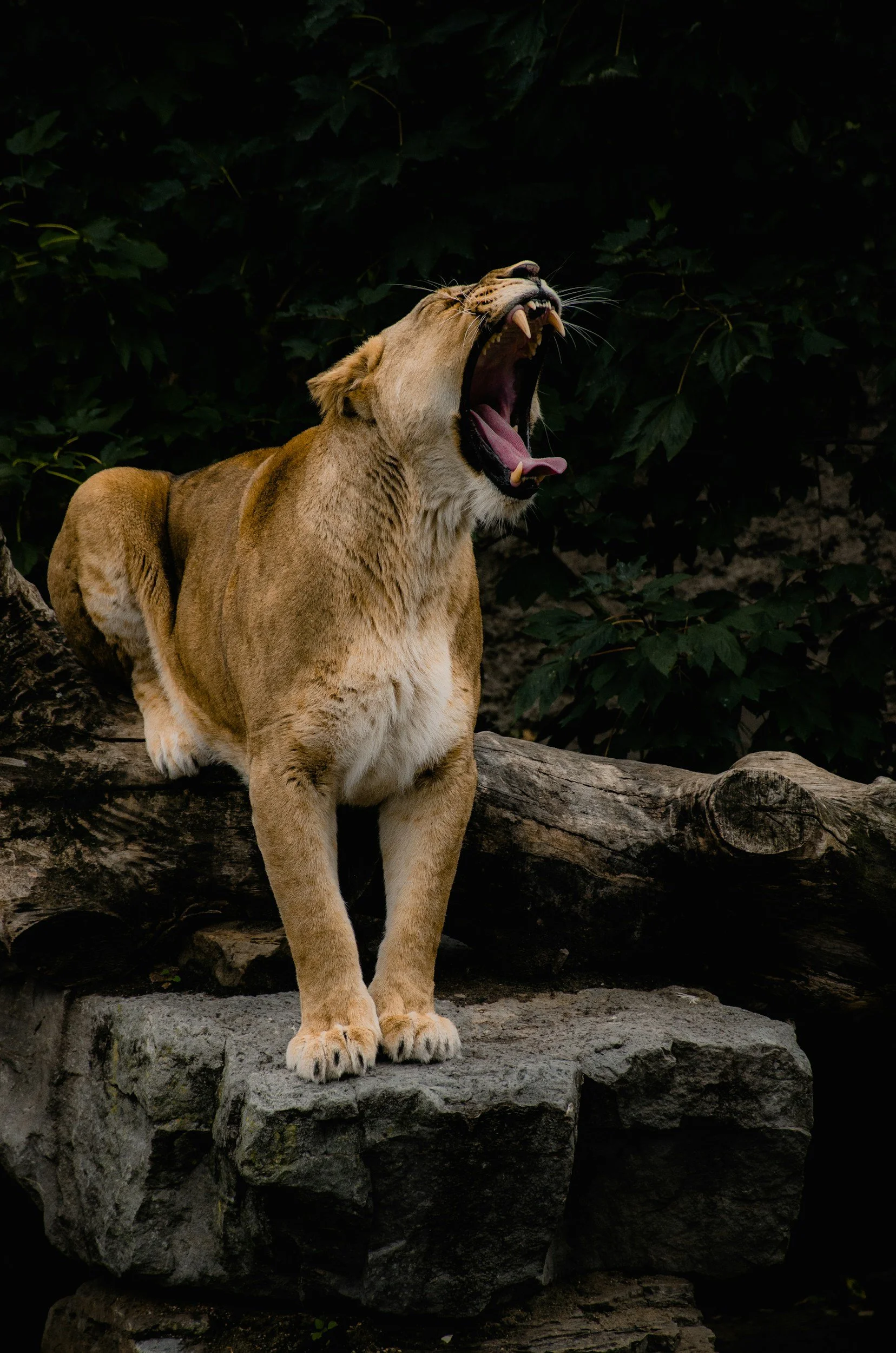
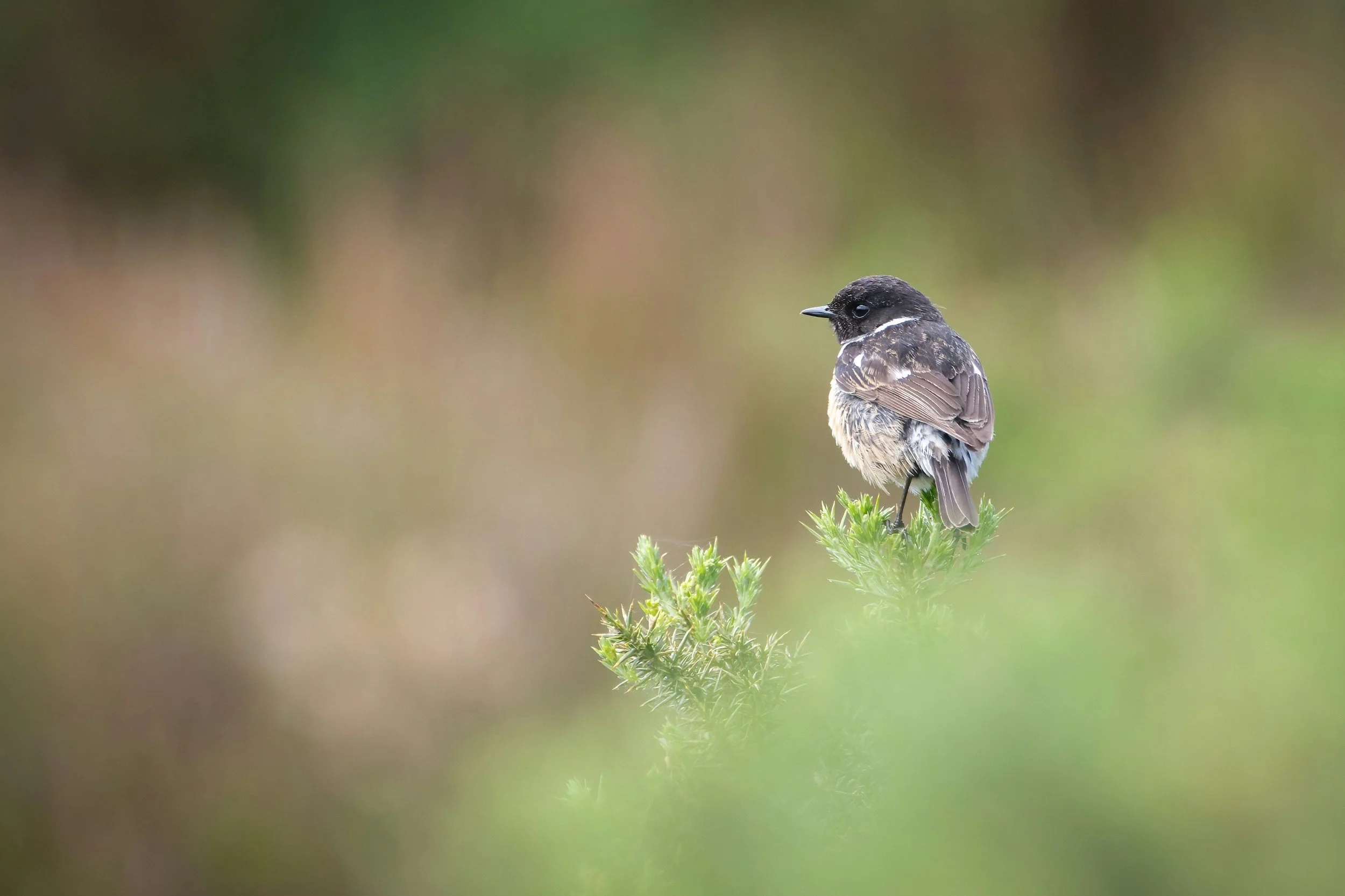
Big ideas, real impact.
*
Big ideas, real impact. *
Welcome to my blog! Feel free to look around :)
Combatting Sex Bias
May 2026
How can we combat sex bias within the scientific community?
By creating a shift in culture that needs to happen to focus on females, especially by putting them as the primary target individuals when conducting research.
I challenge the next generation of scientists and conservationists to address sex bias by prioritizing female behavior and ecology in research and conservation.
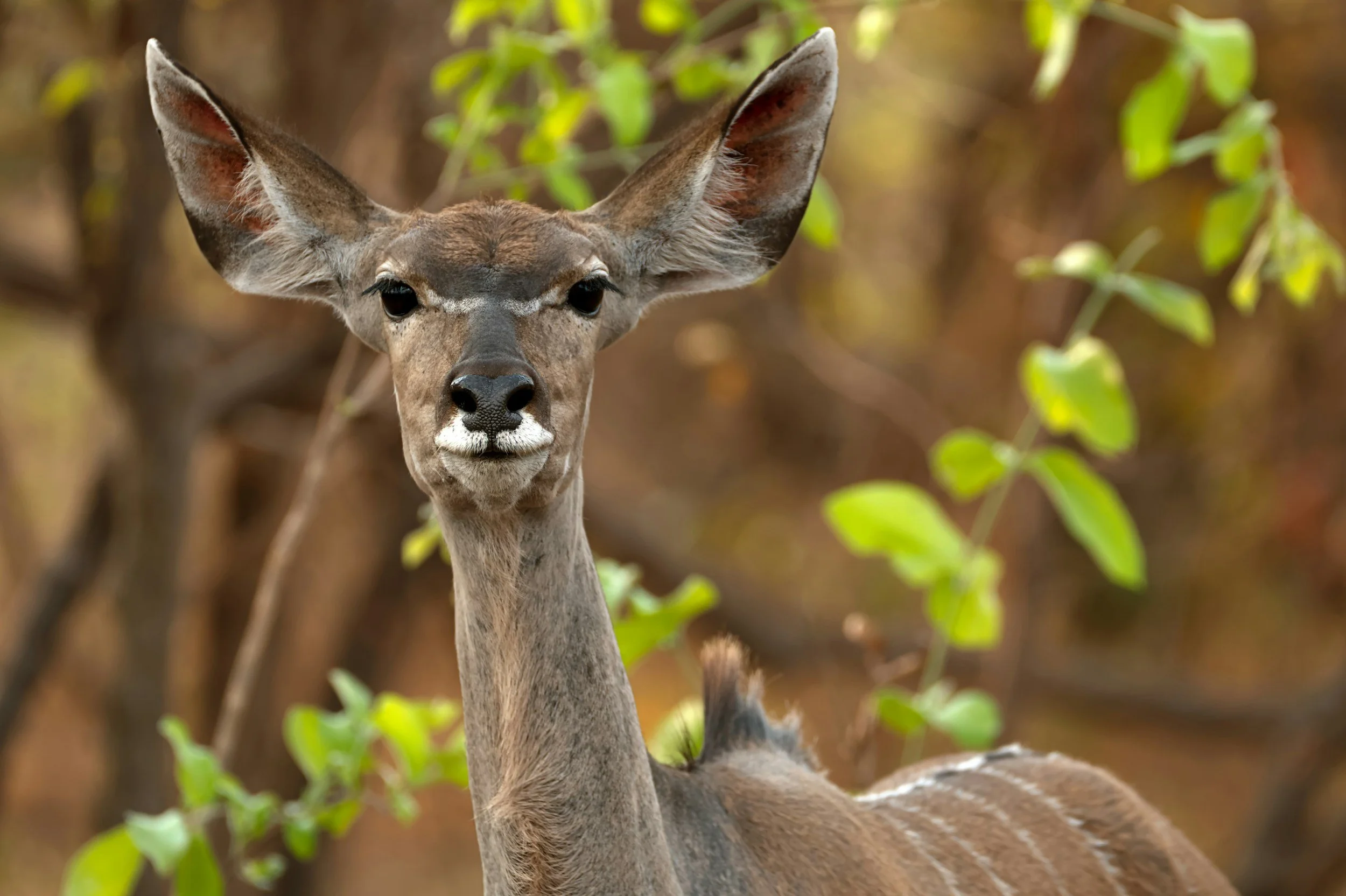
Many young scientists and the general public remain unaware that females have historically been overlooked due to outdated and sexist perceptions of passivity, despite their crucial ecological and reproductive roles (Clutton-Brock, 2019). This gap perpetuates incomplete conservation strategies and a lack of appreciation for female behavior and contributions to species survival.
But a shift in priority and raised awareness will allow the scientific community to get a better understanding of the ecological and behavioral differences and needs of females. This needs to happen so we can get a better grasp of how to better conserve the species we are researching.
Additionally through recognition of sex bias, we can fix it, as ‘the exclusion of females in much of non-human animal research can and should be corrected’ (Beery and Zucker 2011).
So, to combat sex bias, we need to foster a more inclusive scientific culture and be aware of our approach and potential biases. This will lead to more equitable, comprehensive and long term oriented conservation plans for the next generation of endangered animals.
Tech and Tools for Inclusive Research
May 2026
Enable more female-focused studies using…
-
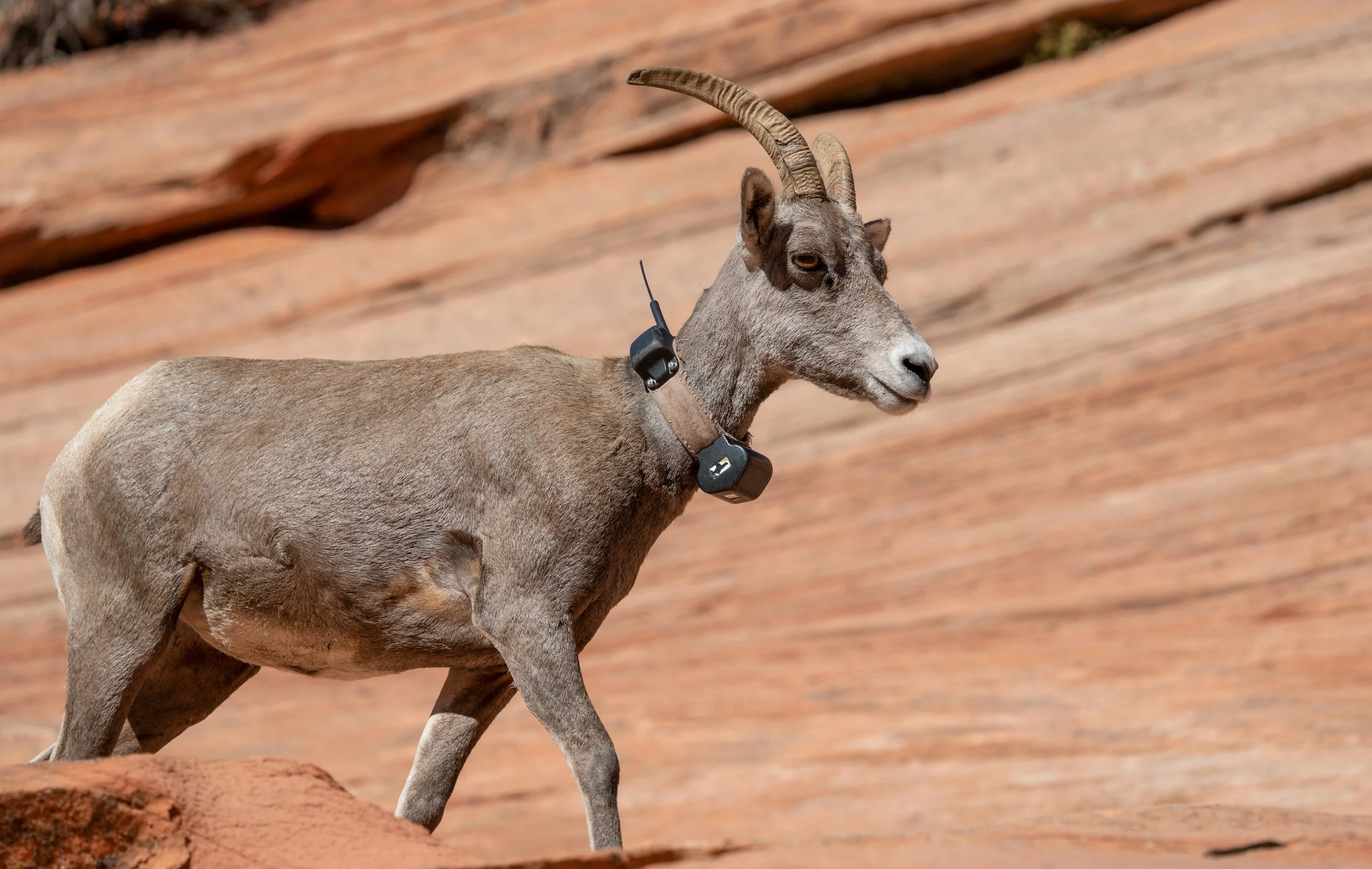
'SMART' Tracking Devices
“Species Movement, Acceleration, and Radio Tracking collars—SMART collars” are new technology that are being used for conservation purposes of mammalian species. ‘“The collar reflects the behavioral repertoire and generates a unique signature for a behavior,” explains Bryce, a doctoral candidate in ecology and evolutionary biology at UCSC. These advancements have opened a new window on behavior patterns of all sorts of big mammals, including pumas.’ (Willoughby 2017).
-

AI Assisted Monitoring
‘AI technologies increase efficiency by simulating human problem-solving and decision-making capabilities using computing systems, which can process most tasks considerably faster than the human brain. In the conservation space, AI can assist in processing massive datasets to inform management and conservation decisions far more quickly than is possible with human oversight alone.’ Not only can this give researchers a faster analysis of data but it also allows for remote monitoring of hard to access habitats (Spencer nd).
-

Inclusive Conservation Approaches
‘Research leads (principal investigators, graduate students and other researchers) should encourage the asking of sex-specific questions. We should continue to encourage and welcome individuals with diverse backgrounds and identities to participate in ecology. A diverse group of ecologists can help to broaden the questions asked, innovate approaches and challenge traditional dogma. We should communicate to the public the causes and consequences of overlooking female.’ (Wu et al 2025).
-
Sex Specific Conservation Plans
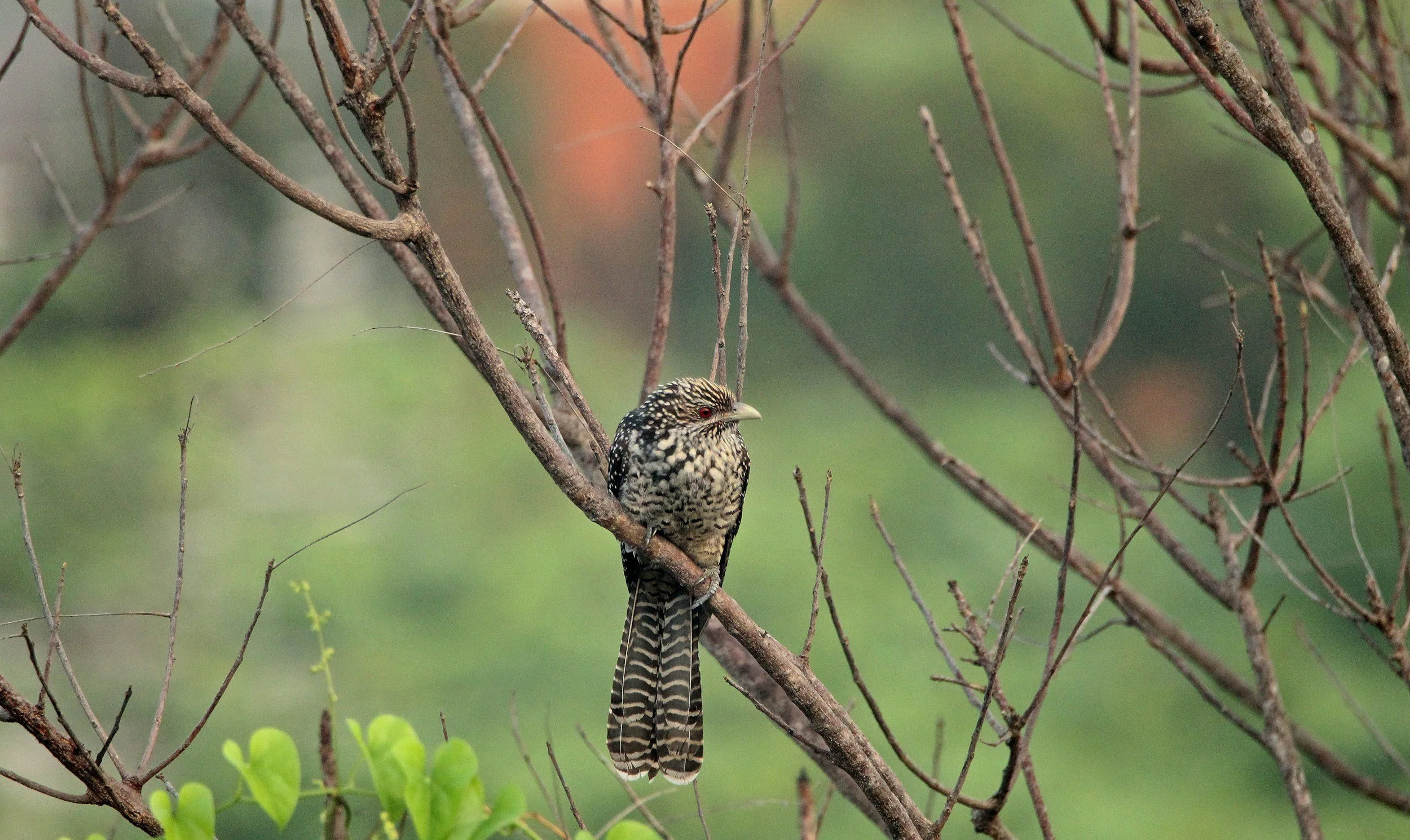
“When conservation plans don’t explicitly address the habitat requirements of both sexes, there’s no guarantee both sexes will be protected,” she said. “Overlooking habitats females use can lead to unforeseen population loss, which is especially critical for species of conservation concern.” This can be done “to counteract the bias in favor of male birds, researchers and conservation planners need to identify and report the sex of birds, model female distributions and include female habitats in conservation plans.” (Leonard 2019).
Recommended Readings and References
April 2026
Recommended Readings

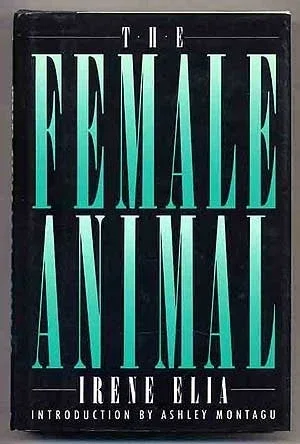
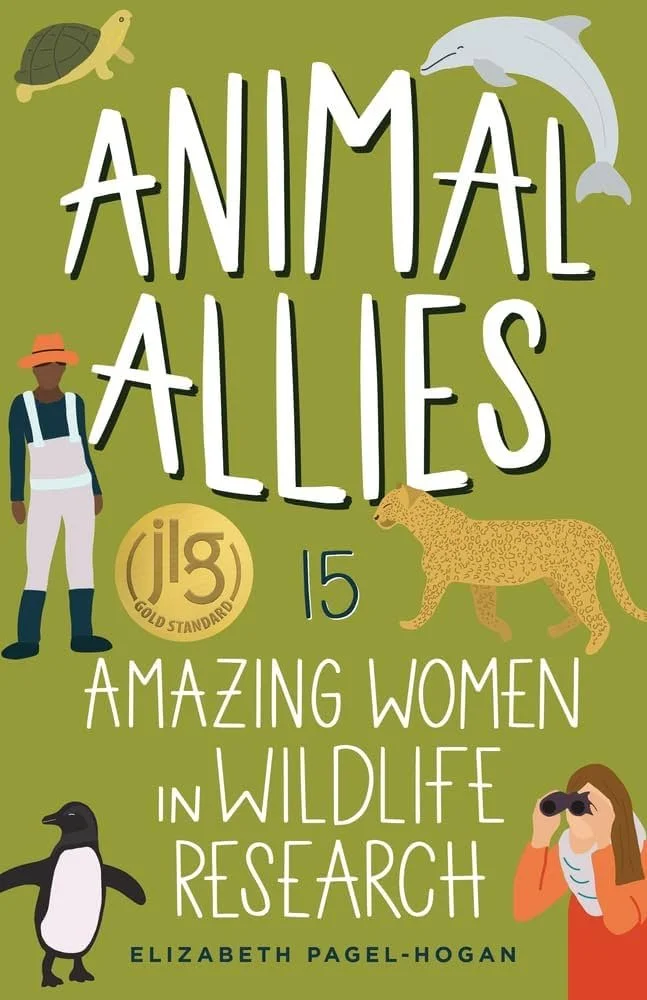
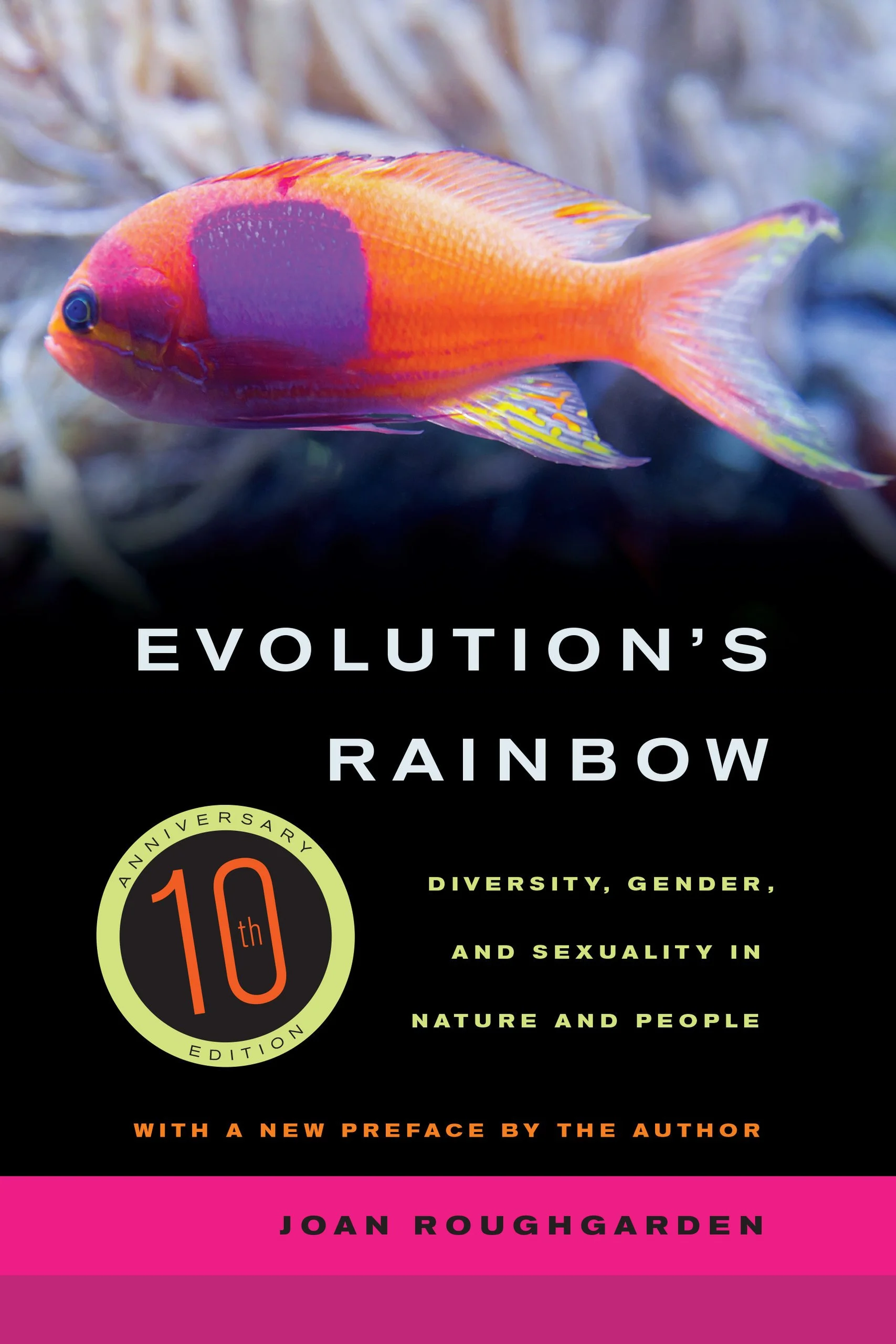

References
Beery, Annaliese K., and Irving Zucker. “Sex Bias in Neuroscience and Biomedical Research.” Neuroscience & Biobehavioral Reviews, vol. 35, no. 3, Jan. 2011, pp. 565–572, https://doi.org/10.1016/j.neubiorev.2010.07.002.
Bennett, Ruth E., et al. “Overlooked Sexual Segregation of Habitats Exposes Female Migratory Landbirds to Threats.” Biological Conservation, vol. 240, 1 Dec. 2019, p. 108266, www.sciencedirect.com/science/article/pii/S0006320719306986#bib0015, https://doi.org/10.1016/j.biocon.2019.108266.
Clutton-Brock, T. H., and G. R. Iason. “Sex Ratio Variation in Mammals.” The Quarterly Review of Biology, vol. 61, no. 3, Sept. 1986, pp. 339–374, https://doi.org/10.1086/415033.
Cooke, Lucy. Bitch: On the Female of the Species. Basic Books, 14 June 2022.
Cooper, Natalie, et al. “Sex Biases in Bird and Mammal Natural History Collections.” Proceedings of the Royal Society B: Biological Sciences, vol. 286, no. 1913, 23 Oct. 2019, p. 20192025, https://doi.org/10.1098/rspb.2019.2025.
Jones, Megan E, and Catherine Sheard. “The Macroevolutionary Dynamics of Mammalian Sexual Size Dimorphism.” Proceedings - Royal Society. Biological Sciences/Proceedings - Royal Society. Biological Sciences, vol. 290, no. 2011, 15 Nov. 2023, https://doi.org/10.1098/rspb.2023.1211.
Leonard, Pat. “Study Finds Sex Bias in Bird Conservation Plans | Cornell Chronicle.” Cornell Chronicle, 2019, news.cornell.edu/stories/2019/11/study-finds-sex-bias-bird-conservation-plans.
Morand-Ferron, Julie, and John L. Quinn. “The Evolution of Cognition in Natural Populations.” Trends in Cognitive Sciences, vol. 19, no. 5, May 2015, pp. 235–237, https://doi.org/10.1016/j.tics.2015.03.005.
Nunamaker, Elizabeth A., and Patricia V. Turner. “Unmasking the Adverse Impacts of Sex Bias on Science and Research Animal Welfare.” Animals, vol. 13, no. 17, 1 Jan. 2023, p. 2792, www.mdpi.com/2076-2615/13/17/2792, https://doi.org/10.3390/ani13172792.
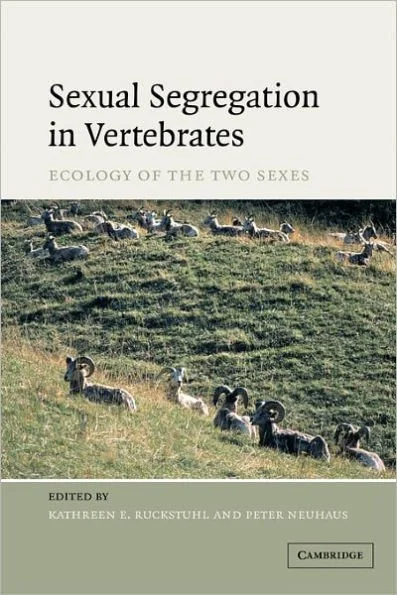
Ruckstuhl, KE . “Sexual Segregation in Vertebrates.” Google Books, 2026, books.google.com/books?hl=en&lr=&id=cv7ifpyYte0C&oi=fnd&pg=PR8&dq=Ruckstuhl+et+al.
Spencer, Emma. “Developing Ethical and Inclusive Artificial Intelligence for Conservation.” Ecological Society of Australia, 5 Sept. 2023, www.ecolsoc.org.au/bulletin/developing-ethical-and-inclusive-artificial-intelligence-for-conservation/.
Willoughby, Leslie. “Inner Workings: SMART Collars Help Track and Conserve Wildlife.” Proceedings of the National Academy of Sciences, vol. 114, no. 13, 28 Mar. 2017, pp. 3266–3268, www.pnas.org/content/114/13/3266, https://doi.org/10.1073/pnas.1701956114.
Wu, Joanna X., et al. “A Focus on Females Can Improve Science and Conservation.” Ibis, 5 Jan. 2025, https://doi.org/10.1111/ibi.13386..