Closing the Sex Gap in Conservation
What is Sex Bias?
‘unfair, prejudiced, or stereotypical actions and attitudes favoring one gender over others’
tends to heavily favors males, often seen in patriarchal systems
can be done consciously or unconsciously
(Beery and Zucker 2011)
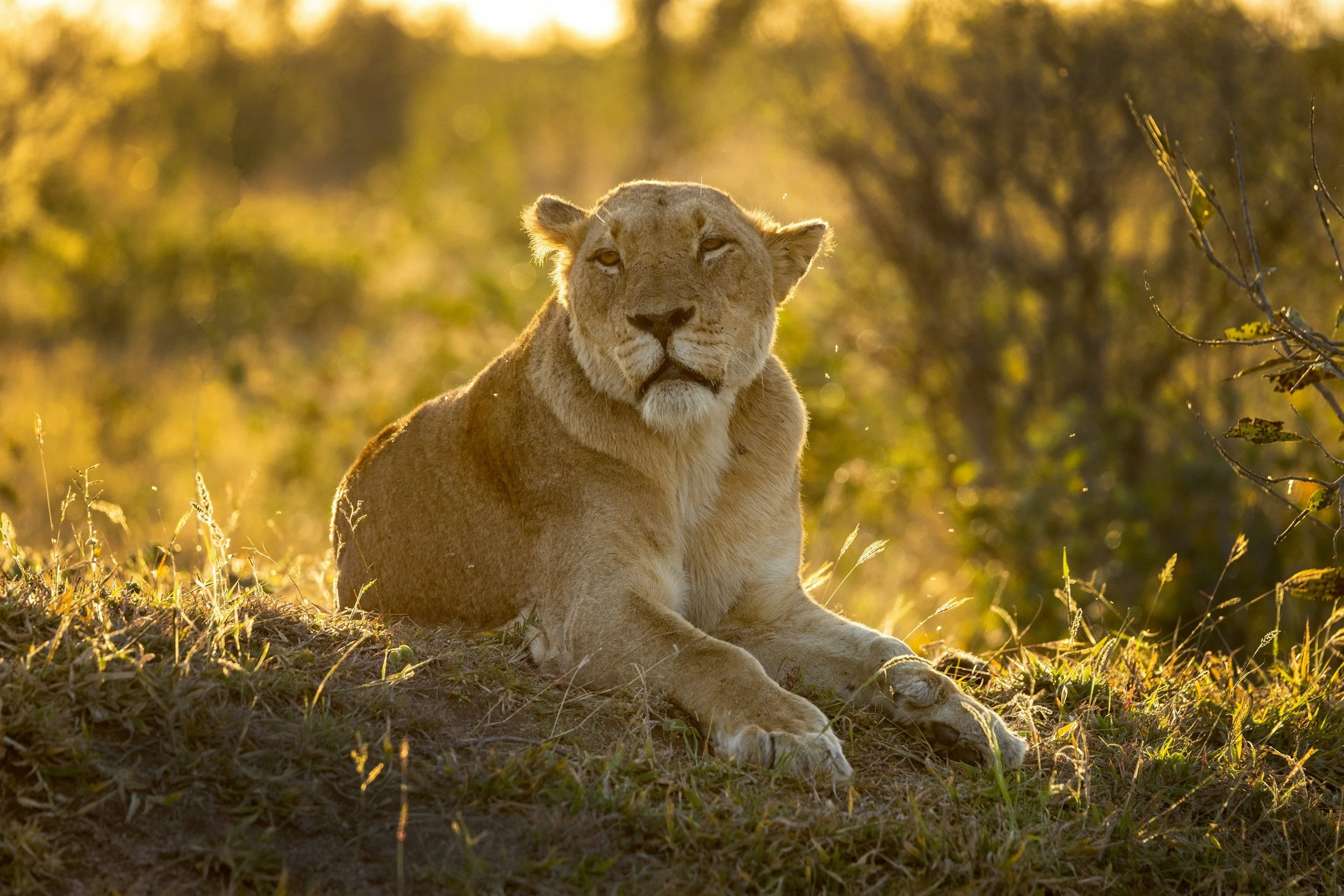
in this case… male animals have been consistently favored (and researched far more frequently) over female animals in research and in conservation work!
Why is this important to consider?
Females are crucial to the long-term success and viability of its populations. But because so little is known about females and their needs to survive, it is really difficult to protect them.
It is important to note that this tendency to leave out females happens to all kinds of animals - from mammals, to birds, and even insects.
The most heavily affected taxa in regards to female omitted data appears to be Carnivorous Mammals - with more than 60% of all known, recorded data pertains to males of that taxa.
(Jones and Sheard 2023)
A Multimedia Approach to Raise Awareness of Sex Bias
Despite females playing critical roles in reproduction, social dynamics, and ecosystem functioning, research has disproportionately focused on males, leaving gaps in knowledge that compromise effective conservation strategies (Clutton-Brock, 2019; Morand-Ferron & Quinn, 2019). It is of the utmost importance to study females, as it is not only a step toward gender equity in science but also essential for ensuring the survival of threatened and endangered species.